
Sometimes, the people who seem to be coping the best are carrying the most.
A colleague who always shows up. A friend who says they’re fine. A leader who appears confident and capable. Mental health challenges don’t always look the way we expect.
October is Mental Health Month, an opportunity to raise awareness, encourage important conversations and remind people that support is available when it’s needed, from many sources, each designed to address the unique and personal needs of all people, from many backgrounds and circumstances.
Research continues to highlight the growing impact of mental ill-health across Australia and New Zealand, particularly among younger people. At Belgravia Leisure, mental health is not something that is only discussed during October. It’s an ongoing focus that influences how we support our people, team members and guests, support psychologically safe workplaces and build connected communities.
General Manager Health & Safety Scott Vanderheyden, said supporting mental health remains an important focus for Belgravia Leisure, particularly given the age profile of many team members.
“More than 50% of our team members are aged between 15 and 30. National research shows young people face particular mental health challenges, with Australians aged 16 to 24 recording the highest rates of mental disorders of any age group, while young people aged 15 to 24 in New Zealand report the highest levels of psychological distress.
“Health and safety statistics highlight the importance of creating supportive environments, increasing awareness and ensuring people know where to turn when they need help. That’s why we continue to invest in education, training, support services and initiatives that strengthen connection, belonging and wellbeing across our teams and communities,” Scott said.
Mental health conversations matter
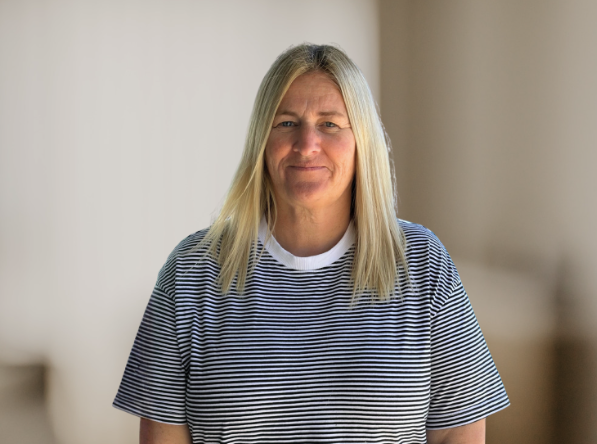
Area Manager QLD (Southern), Jodie Jackson said one of the most important lessons she has learned is that mental health challenges do not define a person’s value or potential.
“For many years, I’ve carried experiences that affected my confidence and self-worth. One of the biggest lessons I’ve learned is that mental health should not define who you are, your value or what you’re capable of achieving.”
Jodie recently saw the power of sharing her story when she opened up to a team member experiencing mental health challenges of their own.
“It wasn’t easy to open up but her response reminded me why these conversations are so important. She told me she never thought that someone in a leadership position could also have experienced mental health challenges and self-doubt. In that moment, I realised how important it is to be open and honest. When we share our experiences, we help others feel seen and understood.”
Jodie believes these conversations can challenge assumptions and encourage people to seek support when they need it.
“Sometimes the ordinary, hardworking person standing beside us may be fighting a battle we cannot see. Having these conversations helps people realise they’re not alone.”
Jodie’s advice is to start a conversation that could make a difference and if you’re struggling yourself:
“Talk to someone you trust. You don’t need to have all the answers and you don’t need to carry everything on your own. Reaching out is not a sign of weakness, it’s a sign of strength.”
Recognising the signs and supporting others
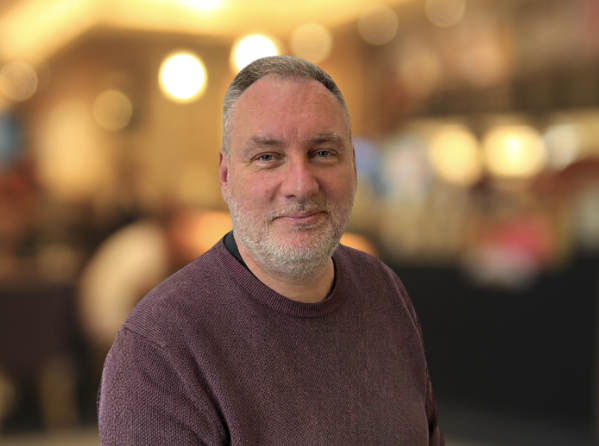
Sales & Guest Experience Manager (City of Sydney), Matt Whitten knows firsthand that mental health challenges are not always visible.
After experiencing his own mental health challenges, Matt now uses his lived experience to raise awareness, reduce stigma and encourage people to seek support early.
Matt has also shared his story through Lifeline and was recently nominated for the Australian Mental Health Prize in the Lived Experience category.
As a trained Mental Health First Aider, Matt believes one of the biggest challenges is that people often don’t recognise when someone is struggling.
“Mental health is something you can’t always see. People can appear to be coping on the surface while dealing with challenges behind the scenes.”
Matt is a strong advocate for Mental Health First Aid training, which helps people identify when someone may be experiencing a mental health problem or crisis and provides practical tools to support them until professional help is available.
“You don’t need to be an expert to help someone. Often it’s about checking in, listening without judgement and helping connect a person with the support they need.”
Support comes in many forms
Mental health support looks different for everyone.
For some people, it may be talking with family or friends. For others, it may mean it may mean speaking with a GP, accessing counselling or becoming involved in community activities that foster connection and belonging.
Mental Health Month provides an opportunity to spotlight these conversations, but the importance of mental health extends well beyond October. Mental health matters every day of the year and sometimes knowing where to turn can make all the difference.
Belgravia Leisure support services
While Mental Health Month provides an opportunity to raise awareness and encourage conversation, supporting mental health is an ongoing focus at Belgravia Leisure. Team members can access support services, training and wellbeing resources throughout the year through B-Connected, LENNY and other internal support channels.
If you’re a Belgravia Leisure team member and need support, the following services are available throughout the year:
- Employee Assistance Program (EAP), delivered by Converge International for confidential counselling and support for team members and their immediate family. Access via B-Connected or contact Converge International directly on 1300 687 327.
- Mental Health eLearning Program (MHeLP), a free online mental health education program available through Belgravia Foundation.
- Mental health and psychosocial safety resources, including work instructions to support team members and leaders in responding to major and moderate mental health incidents, as well as wellbeing resources available through B-Connected and WHS channels.
- Speak Up and reporting pathways for concerns relating to psychological safety, bullying, harassment and workplace behaviour.
- Trauma counselling support following critical or distressing incidents.
- Mental Health First Aid training through Belgravia Academy. Team members interested in participating should speak with their line manager about available training opportunities.
Community support services
If you or someone you know needs urgent help, contact a crisis support service immediately.
Australia
- Lifeline Australia: 13 11 14
- Beyond Blue: 1300 22 4636
New Zealand
- Lifeline Aotearoa: 0800 543 354
- Need to Talk?: 1737
If you’re supporting someone else, a simple conversation could be the first step in helping them access the support they need. As MOVE’s Thomas Fletcher recently shared, connection, community and support can make a meaningful difference during challenging times.