
By Ash Hobson, Belgravia Pro’s Tourism Marketing Executive
I was lucky to grow up in a family of big campers. We’ve stayed in countless parks and campgrounds over the years, but one in particular stands out fondly in my memory. Not because of the stunning beachside destination, or the quality of the facilities – but because of a simple experience enhancer.
It was our annual Christmas catch up at a holiday park on the south coast of New South Wales. One evening, the park hosted a talent show, and my entire extended family – all 50-odd of us – got up and sang a rendition of “The Lion Sleeps Tonight”. We’d switched out the lyrics to celebrate the best aspects of the park and town and make a few cheeky jokes about the owners.
Putting on this talent show was genius in more ways than one. It was low cost; we had rented a microphone and speakers and printed off a handful of fliers to invite guests to participate. It was also low effort; they had essentially crowd-funded the entertainment for the evening and had just one team member present to introduce each of the acts.
We spent hours workshopping the lyrics and rehearsing and decades later we still sing it when we get together. For minimal effort and cost, that holiday park delivered an experience that provided both an evening of entertainment and an opportunity for connection that has extended well beyond our stay.
From ‘nice to have’ to a must
The last decade has seen unprecedented growth and capital investment in the holiday park industry, resulting in more competition than ever before. At the same time, cost-of-living pressures means the need for affordable holidays is front of mind for many travellers. Data from the Caravan Industry Association of Australia’s 2025 Consumer Sentiment Report shows that 77% of respondents believe caravaning and camping holidays offer good value for money generally, yet ‘Value’ scores for individual parks were not keeping pace with other accommodation categories.
In short, a nice destination and modern amenities alone aren’t going to cut it anymore. To remain competitive, parks need experience enhancers that increase their value proposition and align with evolving guest expectations.
A little effort can lead to big impact
Surprising and delighting your guests doesn’t have to be a mammoth task. More often than not, it’s the small, simple, human gestures that make the biggest impact.
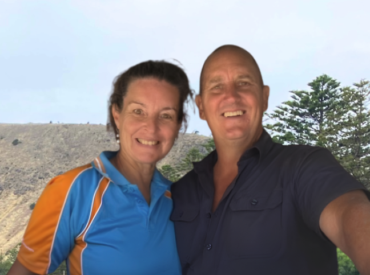
There are examples of this all around us. Tracey and Steve Schilds began managing Tawonga Tourist Park in December 2025 and have truly hit the ground running. In just two months, they’ve hosted a woodfired pizza van on a weekly basis, a burger van, a coffee van, a live musician and a face painter.
Each of these experience enhancers required very little effort to organise, yet made an undeniable impact. In fact, January saw Tawonga Tourist Park hit a record-breaking income month, despite the impacts of nearby bushfires and operational challenges.
Tracey says the key was a local call out. “We reached out to Woodfire Desire and arranged for them to visit weekly. News travels fast in small communities, the next thing we know, The Vintage Van coffee van was knocking on our door, asking if they could come in for a couple of mornings. In the end, opportunities were seeking us, not the other way around.”
The prospect of organising an experience enhancer can be daunting, especially for park managers juggling busy days and tight budgets. But Tracey and Steve’s approach is a clear example of how it can be done simply, sustainably and successfully.
Start small, stay local
A simple call out in a local Facebook group or brief message sent directly to local operators is often enough to generate opportunities. Many food and beverage vendors are fully licensed and self-sufficient, requiring minimal administration or support from the park. Musicians, artists and other activity-based providers typically bring their own equipment and manage their own setup and pack-down, further reducing the time and effort required from on-site teams.
Adopt a revenue generation mindset
While there are many experience enhancers that come at no cost to the venue, park managers shouldn’t shy away from paid opportunities. Instead of viewing the fee for a live music performance as an expense, reframe it as an opportunity for revenue generation. A local musician performing on a Saturday night could be the deciding factor for a guest who otherwise may have booked at another holiday park down the road.
Parks can also invest in assets that provide repeatable experiences in the long term. An outdoor screen and projector for summer movie nights, a small fleet of go-karts, or new board games for the common room are effective additions that surprise and delight guests, encouraging longer stays, and driving repeat visitation and word-of-mouth.
Promote before, during and after
Once you have your experience enhancer locked in, shout about it! Share the news on socials, add it to your website, promote it locally. Capturing photos and videos during the experience will also give you valuable content to support future activations.
Build confidence, think bigger
As you try new things and evaluate results, let your learnings inform your next idea. You might start with a food truck on a Friday night, but as your confidence builds, you can think bigger – perhaps you’d like to host a fundraising event, a small makers’ market, or in the case of Tawonga Tourist Park, a country music festival.
All in all, that talent show I remember so fondly wasn’t polished or perfect, but it left a lasting impact. That’s the real power of experience enhancers: they create moments guests carry with them long after they’ve packed up and gone home.
- Explore Belgravia Leisure’s career opportunities.
- Learn more about Belgravia Leisure’s people.