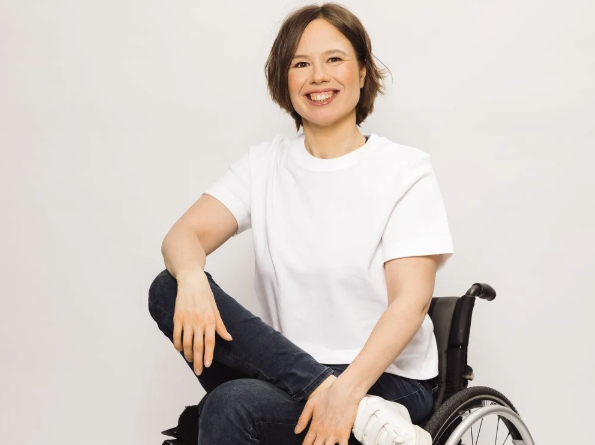
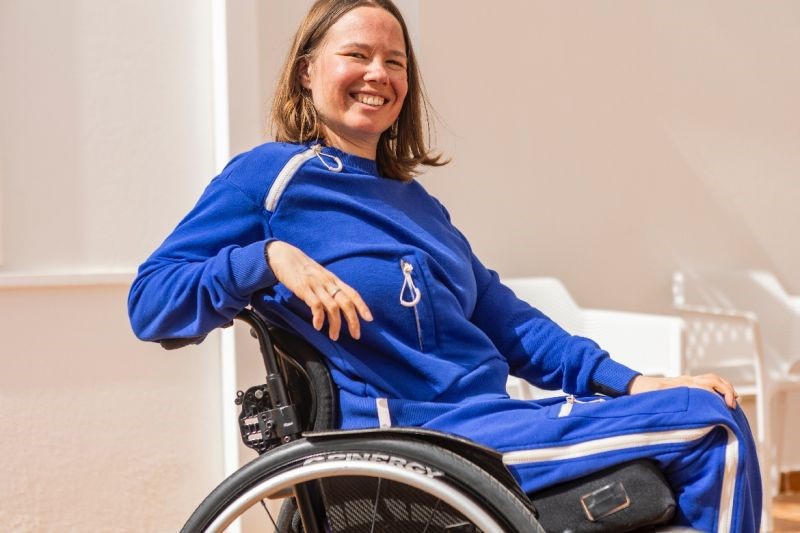
Marina Logacheva has turned her lived experience with disability into leadership as a Disability Sports Lead at MATTA in the UK. She competes internationally as a handcyclist, develops inclusive marketing campaigns and is researching inclusive fitness and leisure across three countries – Australia, the UK and Canada – through support from The Churchill Fellowship.
Marina, after becoming tetraplegic in 2020, was told to “go somewhere else” when she returned to the gym. That rejection spurred her into action and has fueled her passion to change fitness gyms and leisure venues worldwide, to become more welcoming and inclusive of people with a disability.
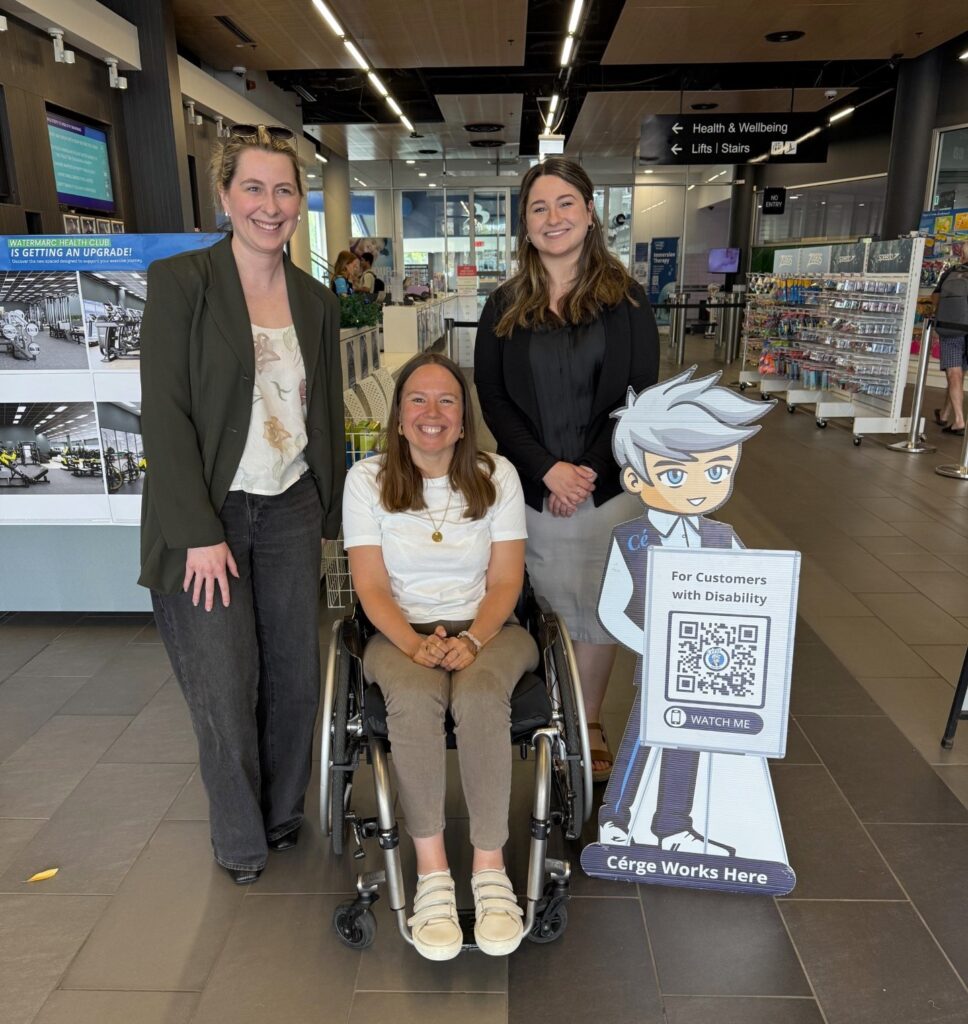
In pursuit of her passion, she has looked toward Belgravia Leisure managed venues‘ approach to inclusion supports to inform her key research.
Marina’s work has a focus on three areas that resonate with Belgravia Leisure’s work and alignment with its social inclusion policy.
She is striving to learn how inclusive gym environments are built – from trainer education and gym design to accessible communication for disabled people, both inside and outside the gym. She said:
“I aim to use my findings to create practical, impactful resources that support a more inclusive fitness industry. By sharing insights on accessible gym design, creating resources for personal trainers and improving communication practices, this project will help remove barriers and make fitness more accessible to all.
Breaking down barriers in sport and leisure
Following Marina’s speech at NSW’s Diversity Inclusion and Leisure Forum, initiated by Belgravia Foundation and coordinated by leading leisure industry partners, Marina reflected on how easily people can be shut out of fitness gyms and by extension, community life. Before her injury, she competed in an Ironman, raced triathlons and skied, but returning was far from simple.
“I didn’t know where to turn,” Marina said. “Becoming a handcyclist took two years of searching for equipment and coaching.”
Her first attempt to re-enter a fitness gym was equally discouraging: “They told me they didn’t have a ramp that suited my needs and that I’d need to go somewhere else,” she commented. These experiences shaped her understanding of access and inclusion: factors in whether someone feels welcome or excluded at a venue.

Research that improves access and changes lives
Marina’s industry work now carries global relevance, with the European Accessibility Act (EAA) fully enforceable for new products and services from June 28, 2025 requiring digital platforms – from websites, to apps, to banking – to be accessible for people with disabilities. “It doesn’t matter where an organisation is based, only who they’re reaching,” she explained.
Belgravia Leisure Disability & Diversity Manager and Belgravia Foundation CEO, Dr Jeff Walkley said:
“Belgravia Leisure strives to welcome everyone into everything we can provide in every community we operate in community facilities across Australia and New Zealand. This involves many actions, supports, training and resources.”
“Take as one example the Cérge accessibility tools, scale-up into nearly 100 venues through a partnership with Belgravia Leisure and Belgravia Foundation, that have now been engaged with over four million times across by people interested in community access and experiences. For community members who interact with Belgravia Leisure online before stepping inside a venue, this level of inclusion makes a real difference, and enables them to ‘know before they go’.”
Lifelong goal to bridge the accessibility gap
Marina applies the same thinking to sport-specific campaigns, from British Fencing’s explainer videos for new athletes and coaches to a global competition for disabled golfers. “I spend my time building awareness inside the industry while also creating inclusive solutions,” she added.
Yet marketing alone isn’t enough. “In the UK, inclusivity guidelines aren’t the first thing considered when communications campaigns are created,” she continued. “Sports bodies often act independently rather than speak to each other.” Her solution has been networking events where sports organisations can share ideas and leave feeling inspired.
Those experiences shape her current vision: to reduce the financial, physical and emotional effort required for disabled people to access sport. She believes organisations have the power to prevent the barriers she encountered.
Looking to the future
Marina left NSW emphasising that inclusion grows from clear systems and communication that doesn’t make people guess whether they belong. Her research will form a report and a documentary designed to guide the industry and support venues like those across Australia and New Zealand managed by Belgravia Leisure.
For the families and community members who rely on these spaces every day, Marina’s work shows how deliberate choices in design and culture can turn a visit to a local fitness gym, leisure centre or sport facility into something everyone can enjoy ensuring that no one misses out.
- Explore Belgravia Leisure’s career opportunities.
- Learn more about Belgravia Leisure’s people.