The changing landscape of golf: an opportunity for local government
By Jack McDonald, National Golf Programs Manager.
Over the past six years, Australia has experienced a significant surge in golf participation. Since 2023, an additional 500,000 people across Australia have participated in one or more forms of the game.
However, when we look beyond the headline participation figures, an interesting trend emerges. According to Golf Australia’s 2024/25 participation data, 1.6 million Australians participate in golf exclusively off-course.
This tells a story that the major percentage of participation growth has been driven by off-course golf experiences and people engaging with the sport for the first time.
It also presents a significant opportunity for publicly accessible golf facilities, particularly those owned and operated by local government.
These venues are often the first point of entry for new participants and play an important role in providing accessible, affordable opportunities for communities to discover and enjoy the game.
But the growth in golf participation is not only positive for the long-term sustainability of the sport. It presents a valuable opportunity to improve community health and wellbeing.
With its unique combination of physical activity, social connection and time spent outdoors, the health benefits of golf are increasingly being recognised.
The question is: are existing golf facilities equipped to capitalise on this growth and, more importantly, retain the next generation of golfers?
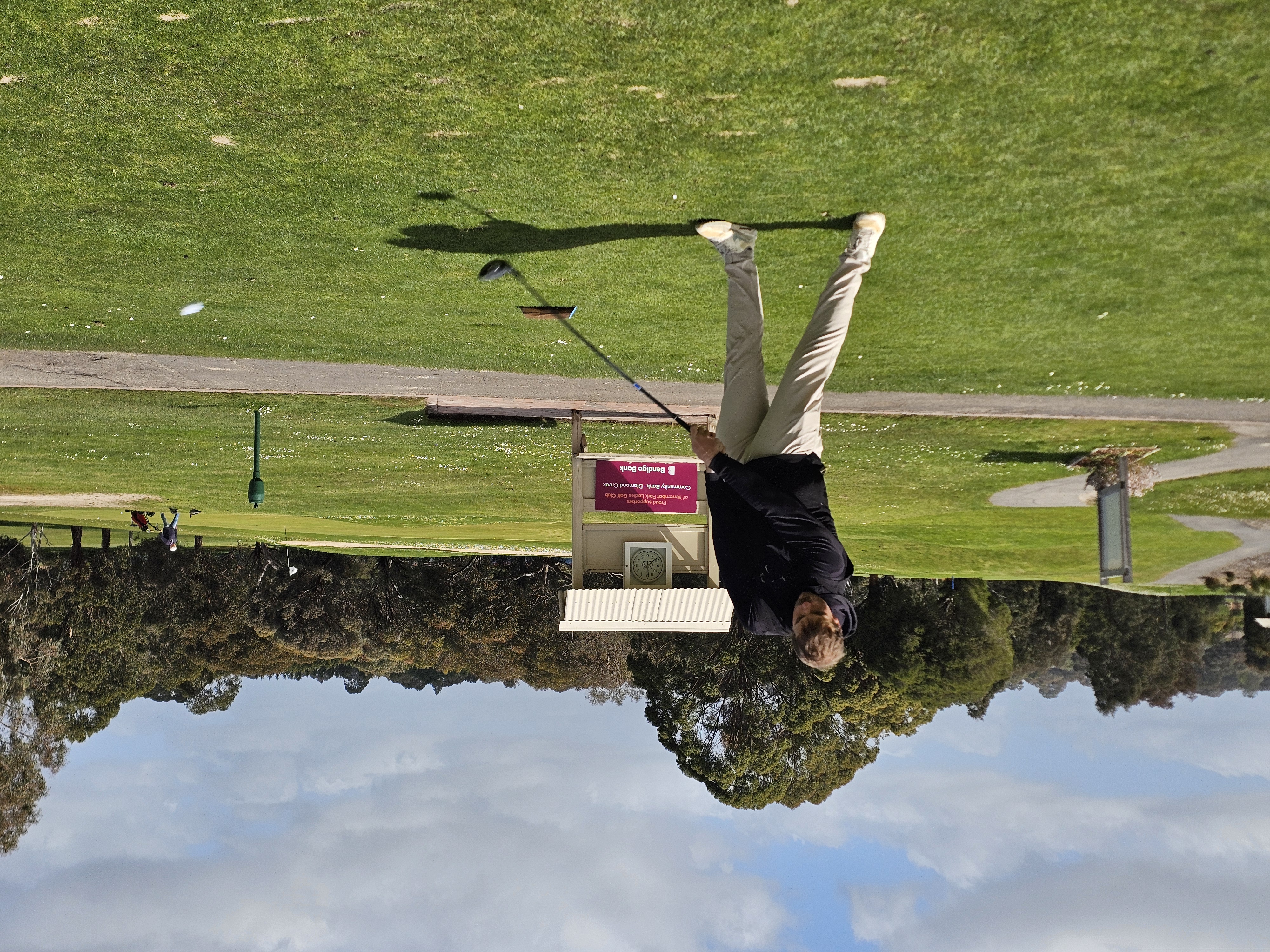
The expectations of today’s golf consumer are constantly evolving. Golfers are looking for contemporary facilities, exceptional customer experiences and more diverse ways to engage with the game.
This extends beyond the traditional 18-hole golf experience to include driving ranges, social golf, entertainment, coaching, hospitality and family-friendly activities.
However, many publicly accessible golf courses have not evolved at the same pace as consumer expectations. Factors like ageing infrastructure, limited hospitality offerings and a lack of available capital create difficulty for councils and clubs to invest in the facilities required to attract new audiences and remain relevant in an increasingly competitive leisure market.
Pleasingly, we are seeing a shift in the local government landscape, with a growing enthusiasm to rethink how golf assets are developed, funded and operated.
Councils are increasingly willing to offer longer-term lease and management agreements that can unlock this type of investment, with the added benefit of partnering with specialist operators who can deliver an improved customer experience, diversify revenue streams and enhance the commercial sustainability of council-owned assets.
Western Australia provides some of the strongest examples of this evolution, demonstrating how strategic investment and progressive partnerships between councils and specialist operators can unlock the potential of existing golf facilities.
Across Western Australia, five council-owned golf facilities have undergone, or are progressing through, significant investment programs. These projects are transforming traditional golf courses into contemporary sporting and leisure destinations, incorporating modern driving range experiences, upgraded pro shops, hospitality offerings and improvements to the golf course itself.
Examples include the City of Wanneroo, a Belgravia Golf Management (Belgravia Leisure’s golf management arm) contract partner, which is investing $44 million across the two venues managed by Belgravia on its behalf. Similarly, the City of Fremantle has enabled Belgravia and Launchpad Golf to invest $22 million in Launchpad, a destination driving range experience that is redefining how the community engages with golf.
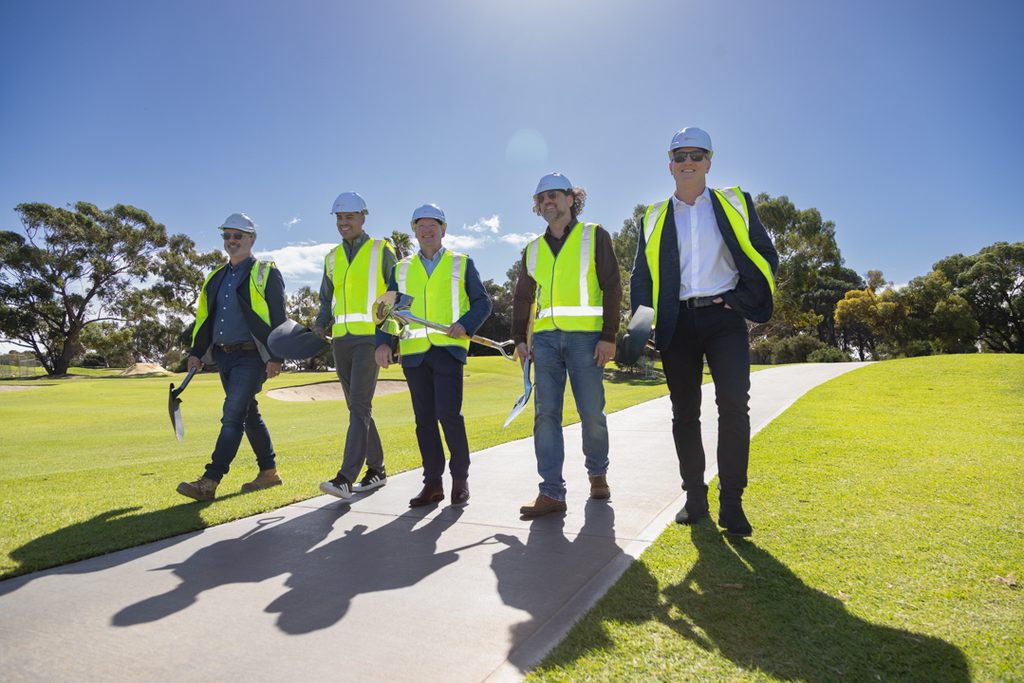
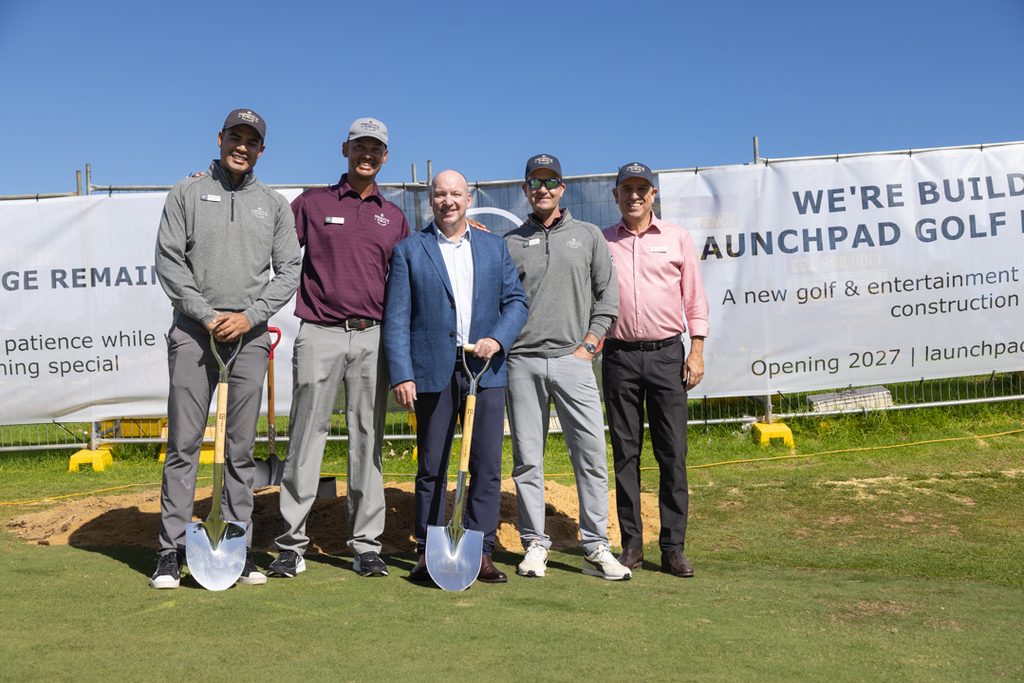

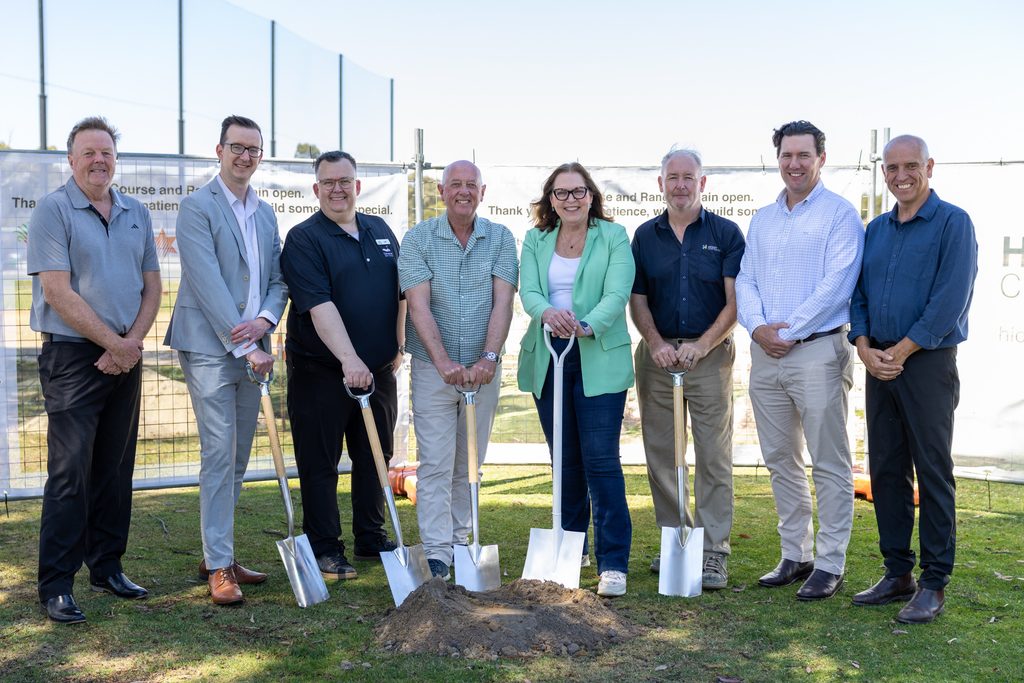
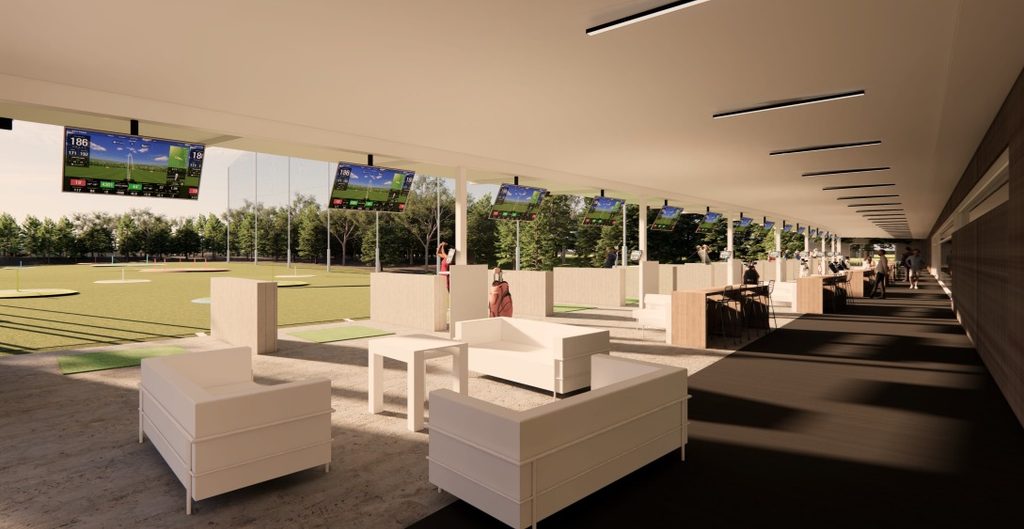
Image credit: Christou Design Group
Importantly, these new ‘third spaces’ are not for only traditional golf practice. They create destinations where people can connect, socialise and spend time together outside of their home or workplace. These environments can deliver significant community benefits, including reducing social isolation, supporting mental wellbeing and providing opportunities for meaningful social connection.
Golf in Australia has never been more popular. It is genuinely exciting to see the scale of investment now taking place across the industry.
For clubs and local governments looking to harness this momentum, there are numerous examples of how traditional golf assets can be transformed to meet the expectations of today’s consumer.
The opportunity is clear; with the right investment, partnerships and operating model, publicly accessible golf courses can continue to deliver an important community amenity while building a more commercially sustainable future.
Recent Articles
-
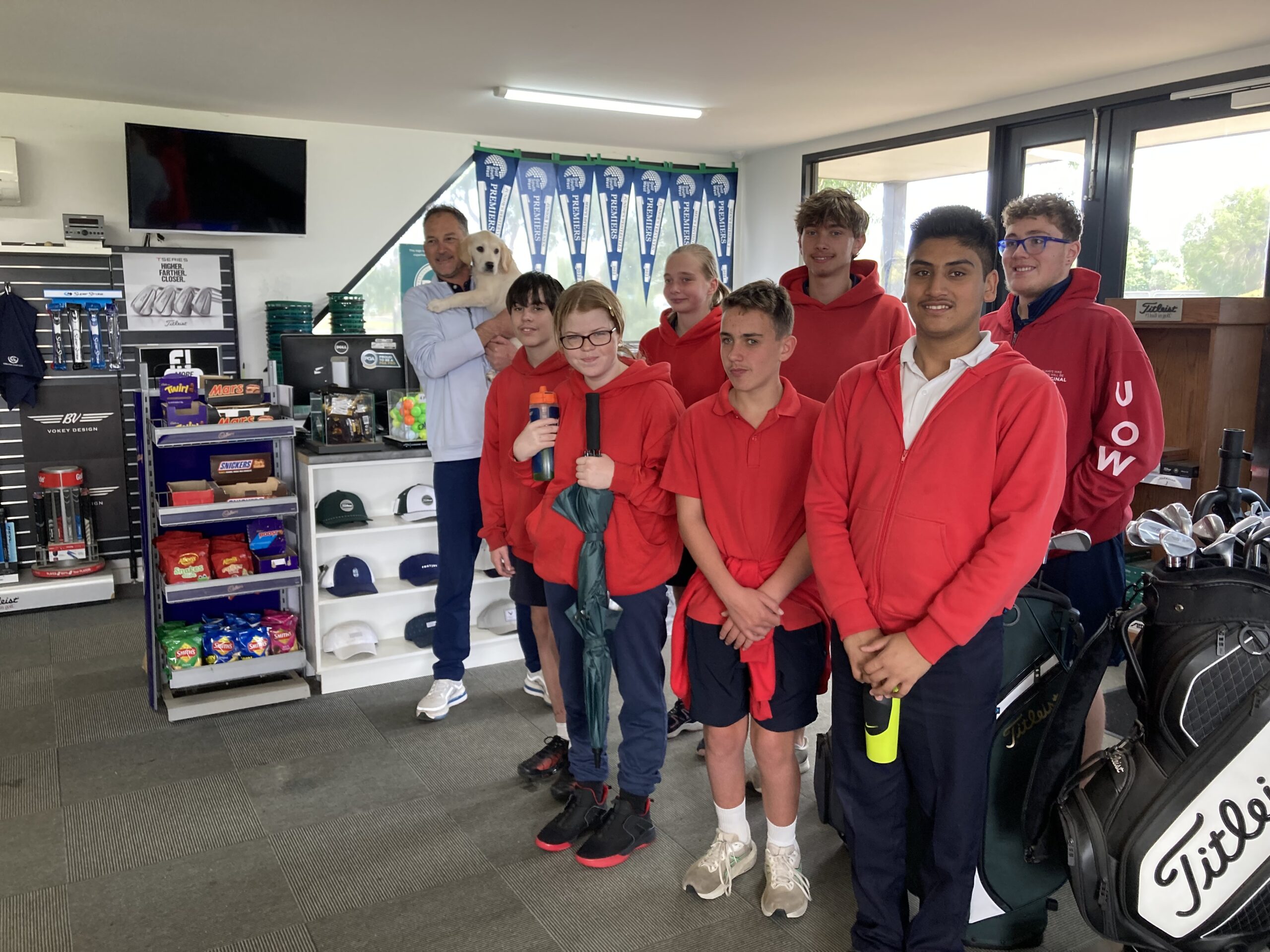
Geelong Golf Club helps local high school students explore future careers
For young high-school students, planning for a career after school can feel like a formidable task. That’s why Geelong Golf Club has partnered with local…
-

From Swim Teacher to CEO: Gavin Wake leads the next chapter for Belgravia Education
Many careers across Belgravia start poolside. From starting out as a swim teacher and lifeguard to progressing through teaching and educational leadership roles, Gavin Wake…
Related Articles
From Swim Teacher to CEO: Gavin Wake leads the next chapter for Belgravia Education
Many careers across Belgravia start poolside. From starting out as a swim teacher and lifeguard to progressing through teaching and educational leadership roles, Gavin Wake has built a career focused…How nearly 5,000 people took a step towards better wellbeing in just two weeks
The end of financial year is about spreadsheets, receipts and tax returns. Across Belgravia Leisure communities, it also became an opportunity to swap a little screen time for more movement. In just 14 days, the 2026…Kaipātiki Hot Springs helps tamariki build water confidence ahead of World Drowning Prevention Day
Kaipātiki Hot Springs has helped over 120 tamariki (children) from local kura (schools) build water confidence by hosting the swim leg of the Kaipara Schools Triathlon, creating a structured and supportive environment for young people…