
The B Well Project
Measuring what matters
The challenge
Aquatic and leisure centres are recognised as trusted, place-based community assets with significant reach across the life course. Every day, the services and programs offered within them help people live healthier, happier and more connected lives. A child learns to swim, a member builds confidence, someone finds a sense of belonging, and another improves their health. These outcomes matter, not only for individuals but for entire communities.
Yet traditionally, the sector has measured success through participation numbers, memberships and attendance alone. While these metrics are important, they only tell part of the story. They show how many people engage with a service, but don’t evidence the difference that service or program makes to their health, wellbeing and quality of life.
Why it matters
As communities face increasing health challenges and social disconnection, understanding and demonstrating the impact of aquatic and leisure centres in a way that aligns with policy expectations has never been more important. Three-quarters of children don’t meet recommended physical activity guidelines, while two-thirds of adults are overweight or living with obesity. Women are less likely than men to meet activity guidelines, and our most disadvantaged communities face the greatest barriers. Most confronting, the average Australian can expect around twelve years of declining health later in life.
At the same time, local governments and community organisations are being asked to make increasingly informed decisions about where to invest limited resources. They need evidence that demonstrates not just participation, but meaningful outcomes. Understanding what improves health, strengthens social connection and supports long-term wellbeing is critical to creating healthier, more resilient communities for the future.
B Well aims to close this gap
B Well is a population health and wellbeing initiative designed to demonstrate the real impact aquatic and leisure centres have on community health and connection. Developed by Belgravia Leisure and aligned with the Australian Government’s Measuring What Matters framework, B Well allows us to understand, measure and evidence the impact aquatic and leisure facilities have on the communities they serve.
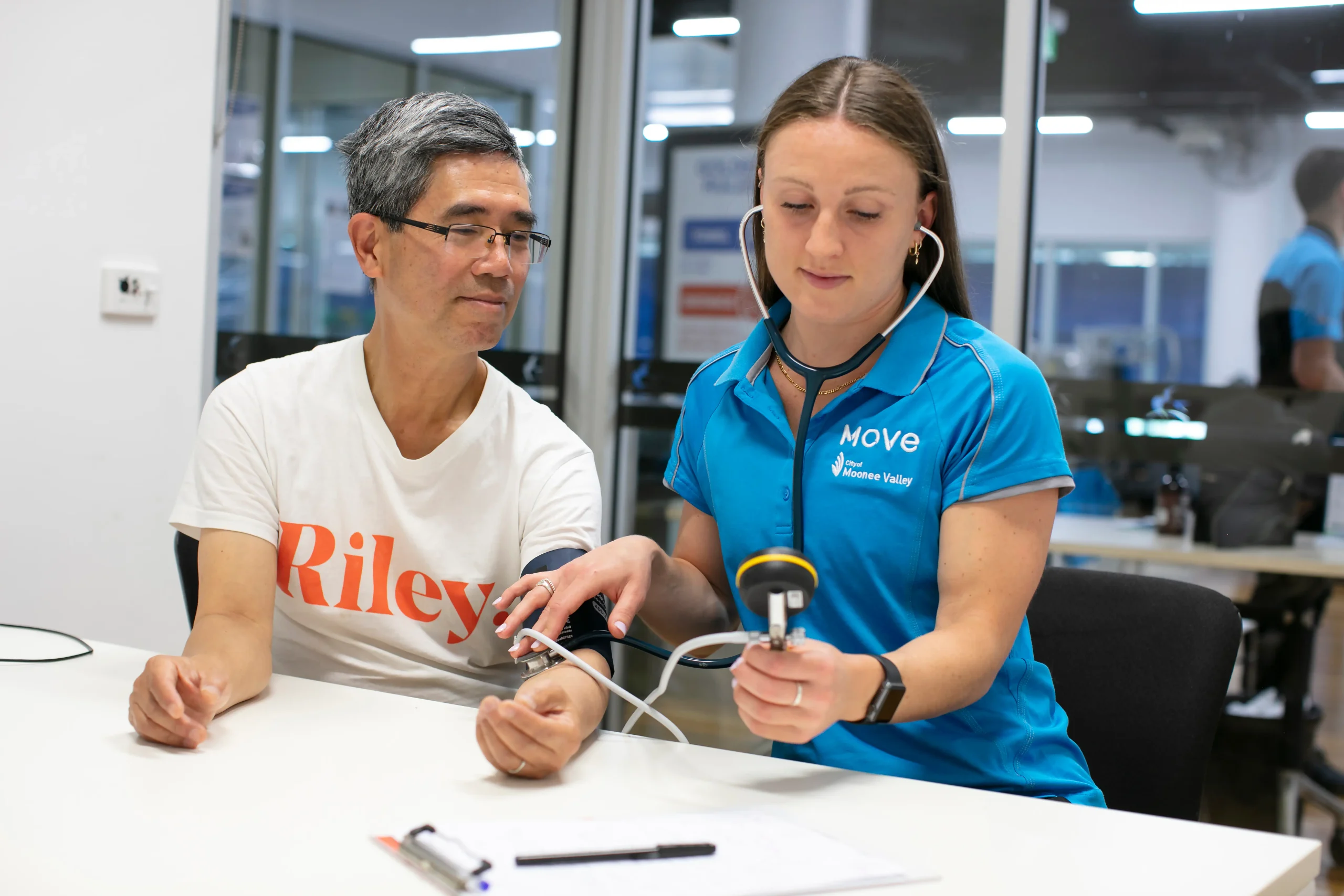
The initiative combines three key elements: health assessments, participant wellbeing surveys and existing operational data collected through venues. Together, these measures create a clear picture of community wellbeing and allow us to understand how health, wellbeing and social connection are changing over time. We value participant’s privacy and all data is collected and stored securely, de-identified and reported in aggregate.
Supported by a trusted evidence-based methodology, B Well draws on validated wellbeing measures and internationally recognised wellbeing valuation expertise from State of Life, a leading authority whose methodologies inform UK Treasury guidance.
Benefits and early pilot results
Rather than simply measuring participation, B Well measures outcomes, helping quantify the broader value that aquatic and leisure services create for individuals, communities and councils.
By understanding the needs of local communities, venues can create more accessible, inclusive and responsive experiences that support people at every stage of life. The initiative also provides transparent and credible reporting that helps councils benchmark performance, strengthen community engagement and demonstrate the value of aquatic and leisure infrastructure.
Early pilot results – made available from 300+ exercise physiology members across five participating venues – have already highlighted both significant community need and measurable improvements in participant health outcomes. 91% of participants are living with chronic disease and 54.2% have two or more chronic conditions. Of these participants, 67% have reported improvements in key strength and movement measures that support everyday mobility, function and independence, with further data to be released shortly.
Through B Well, we can move beyond assumptions and use evidence to build healthier, more connected and more resilient communities together.